Insider tips for rubbish removal at Blythe Hill Fields events
If you have ever helped clear up after a community fair, a sports day, a picnic, or a local fundraiser at Blythe Hill Fields, you will know the real work often begins when the last visitor leaves. Cups cling to the grass, cardboard ends up in the wind, and bin bags somehow multiply. The good news? With the right plan, rubbish removal at Blythe Hill Fields events can be calmer, quicker, and far less expensive than people expect.
This guide pulls together the practical bits that usually get missed: how to plan waste stations, how to avoid overflow, when to use a skip or a wait-and-load service, what not to put in mixed waste, and how to keep the site tidy without creating more hassle than the event itself. It is written for organisers, volunteers, stallholders, and anyone who wants the cleanup to feel manageable rather than chaotic. To be fair, a clean finish makes the whole event feel better too.
Table of Contents
- Why rubbish removal at Blythe Hill Fields events matters
- How event rubbish removal works in practice
- Key benefits and practical advantages
- Who needs this and when it makes sense
- Step-by-step guidance
- Expert tips for better results
- Common mistakes to avoid
- Tools, resources and recommendations
- Law, compliance, standards, or best practice
- Options, methods, or comparison table
- Case study or real-world example
- Practical checklist
- Conclusion
- Frequently asked questions
Why Insider tips for rubbish removal at Blythe Hill Fields events Matters
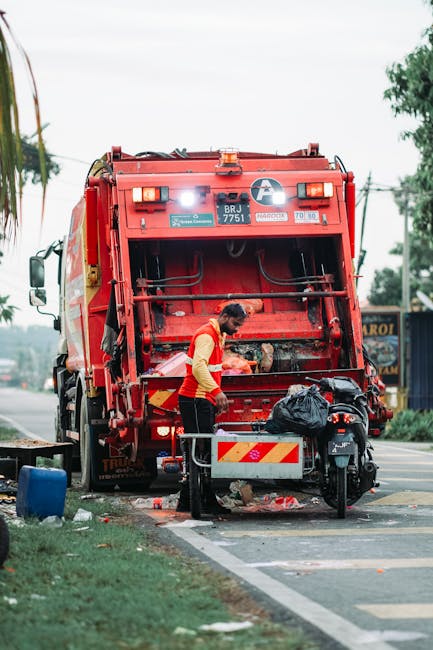
Event waste is one of those things that looks simple until you are standing in front of three half-full bags, a pile of food containers, and a volunteer asking where the broken gazebo frame should go. At Blythe Hill Fields, where people come to relax and enjoy open green space, poor waste handling stands out quickly. Litter does not just look untidy; it can spread with the wind, attract birds, and make the whole area harder to restore after a busy day.
There is also the reputational side. Whether your event is a local school fete, a fitness class, a charity gathering, or a neighbourhood celebration, people notice how the site is left. A clean, organised finish signals care. It says the event was planned properly, not just thrown together and hoped for the best. And yes, that does matter.
Another reason this topic matters is timing. Waste builds fast during busy periods, especially when food, drink, packaging, promotional materials, and general public use all mix together. Without a sensible removal plan, cleanup starts to absorb the energy of the team exactly when they are running low. The trick is to treat rubbish removal as part of event logistics, not an afterthought.
If your event involves larger items, repeated deliveries, or heavy clear-up work, it can also be worth looking at broader services such as rubbish removal or commercial skip hire depending on the scale and access. That is often the difference between a frantic post-event scramble and a neat, planned handover.
How Insider tips for rubbish removal at Blythe Hill Fields events Works
At a practical level, event rubbish removal is about matching the waste solution to the event size, the type of rubbish created, and the access available on the day. Sounds obvious. It usually is not done well, though.
A small community gathering might only need well-positioned bins, a short cleanup crew, and one collection afterwards. A larger public event may need multiple waste points, regular bag swaps, and a bigger removal solution such as a skip, grab hire, or a same-day collection arrangement. The right method depends on the layout, the footfall, and how much mixed waste you expect.
The process usually works like this:
- Estimate the types of waste likely to be generated.
- Choose collection points that are easy for people to reach but not in the way.
- Separate recyclable material where possible.
- Decide whether the rubbish needs staged removal during the event or a single clear-up at the end.
- Arrange transport or collection that suits the site and the timing.
For some organisers, a straightforward skip hire solution is enough. For others, especially where access is tight or the event finishes late, wait and load skip hire can be the cleaner option because the waste is loaded and removed quickly, without leaving a container on site overnight. That can be especially useful when you want the field back to normal fast.
And if the event generates bulky waste or awkward mixed material, something like grab hire services may be more practical than relying on lots of manual bagging. It is one of those things that seems like overkill until you actually need it.
Key Benefits and Practical Advantages
Good rubbish planning is not just about tidiness. It has a ripple effect across the whole event.
- Cleaner public areas: People are more relaxed when litter is under control.
- Faster pack-down: Staff and volunteers can finish their work sooner.
- Less contamination: Recyclables stay cleaner when waste streams are separated.
- Lower stress: Nobody enjoys a last-minute hunt for extra bin bags while the sun is setting and everyone is tired.
- Better site care: Grass, paths, and entrances are easier to restore.
- More flexible planning: You can match the removal method to the scale of the event.
There is also a financial angle, though it should be handled sensibly. When waste is planned well, you avoid paying for emergency clear-ups, repeat trips, or overfilled containers. If you know the likely volume in advance, you can explore skip sizes and prices before the event and choose a setup that fits the job rather than guessing in the dark.
For organisers juggling several suppliers, one of the quiet benefits is coordination. Waste collection becomes a scheduled part of your day rather than a postscript. That gives everyone a better rhythm. It also reduces the chance of waste hanging around after dark, which nobody wants.
Who This Is For and When It Makes Sense
This topic is relevant to a surprisingly wide group of people. If your event creates any meaningful amount of waste, you probably need at least a simple removal plan.
- Community event organisers and volunteer groups
- School and PTA teams
- Charity fundraiser coordinators
- Market stall holders
- Local sports and recreation organisers
- Food vendors and caterers
- Production teams handling temporary structures or signage
- Facilities teams managing seasonal outdoor events
It makes sense to think ahead whenever the event involves food packaging, disposable cups, cardboard boxes, decorations, disposable serving items, or temporary staging. It also becomes important when the site has limited bin capacity or when access for a normal vehicle is awkward. In those situations, a tailored solution like man and van or rubbish removal may suit a smaller one-off cleanup, while bigger events may need a more robust plan.
If the event includes temporary structures, fencing, or a build-and-break setup, you may also be dealing with site waste that is closer to light construction debris than ordinary litter. In that case, services such as builders skip hire or builders waste removal can be more useful than standard domestic-style collection. It all depends on what actually lands on the ground.
Step-by-Step Guidance
If you want a cleanup plan that actually works on the day, keep it simple and build it in layers.
1. Estimate the waste before the event
Start with the basics. How many people are attending? Will there be food stalls? Are there printed handouts, banners, disposable tableware, or packaging-heavy setups? A family picnic creates different rubbish from a craft fair. Honest estimates are better than optimistic guesses, even if the numbers feel a bit dull.
2. Split the waste into likely streams
You do not need a complicated recycling system for every event, but it helps to think in categories: general waste, cardboard, cans and bottles, food waste, and bulky items. If you can keep recyclables separate at source, the whole clear-up gets easier. It is messy enough already.
3. Place bins where people naturally pause
People use waste points more readily when they are visible and convenient. Put them near food areas, entrances, seating zones, and exits. Do not hide all the bins at one side of the field and hope for the best. That rarely goes well, truth be told.
4. Decide on the removal method early
For a straightforward event, a planned collection after the event may be enough. For a bigger or busier day, compare options such as same-day skip hire, grab lorry hire, or a container-based arrangement. The right choice depends on access, timing, and whether you need waste off the site quickly.
5. Brief the team
One short briefing before opening is worth a lot. Show volunteers or staff where bags go, what counts as contamination, and who to tell if a bin is overflowing. A two-minute explanation can prevent twenty minutes of confusion later. That is a decent trade.
6. Clear during the event, not only after it
If the event is long enough, schedule mid-event checks. Bag capacity disappears faster than people expect near food stands and drinks tables. A quick sweep every hour or two can stop small problems becoming a larger mess.
7. Finish with a final sweep
Before you hand the site back, walk the full area slowly. Look under benches, beside fencing, and around informal seating spots. Many of the stubborn bits hide in plain sight. A good final sweep is often what separates "done" from "properly done".
If your waste load includes awkward items or mixed heavy material, it can help to use what can go in a skip as a quick sense-check before loading anything. That keeps you from making a bad call in the middle of a busy clear-up.
Expert Tips for Better Results
These are the small things that make a real difference. Not flashy, just effective.
- Use colour cues: Different bag colours or labels help volunteers sort waste quickly without reading long instructions.
- Keep spares hidden but close: Extra liners, gloves, tape, and ties should be nearby but not cluttering the site.
- Anchor lightweight bins: Blythe Hill Fields can get breezy. A lightweight bin without a little thought can end up halfway across the grass. Annoying, and very avoidable.
- Choose the right container size: Too small means overflow; too big can waste money and space. A quick look at skip sizes and prices can help you align budget and capacity.
- Keep liquids out of general waste: Spilt drinks make bags heavier, smell worse, and are a nuisance to handle.
- Stage the cleanup by zone: Start with entrances and food areas, then move outward.
One little insider trick: assign one person to be the "bin watcher" during peak times. It is not glamorous, but it works. That one person can spot a full bag early and stop a pile-up. Simple, almost boring. Which is exactly why it is good.
If you know the event may leave behind a lot of reusable or recyclable material, it is worth thinking about recycling and sustainability as part of the plan rather than a bonus at the end. The aim is not to sound virtuous; it is to keep waste manageable and sensible.
Common Mistakes to Avoid
Most rubbish removal headaches come from a few predictable slip-ups.
- Underestimating volume: People always generate more packaging and bagged waste than expected.
- Using too few bins: A single bin near the main path is not enough for a lively event.
- Not planning for bulky items: Cardboard boxes, broken display stands, and temporary furniture do not fit neatly into a standard setup.
- Mixing restricted waste with general rubbish: If something needs special handling, do not hide it in the nearest bag.
- Leaving the clear-up to the end only: By then, everything is heavier, dirtier, and harder to sort.
- Forgetting access constraints: A vehicle may not be able to park exactly where you want it to. That needs thought before the day, not during it.
Another mistake is assuming every waste item is harmless just because it came from a community event. Broken glass, old batteries, small electrical items, and contaminated packaging should all be handled carefully. If in doubt, separate it and check before loading. Better safe than scruffy.
And one more thing: do not leave all the heavy lifting to the last volunteer standing. That is how people get fed up.
Tools, Resources and Recommendations
You do not need a warehouse of equipment to handle event waste properly, but a few practical tools make the day much smoother.
- Heavy-duty bin liners
- Reusable gloves
- Tape or zip ties for securing full bags
- Basic signage for waste points
- Trolleys or sack trucks for heavier loads
- Weatherproof labels for mixed waste and recycling points
- Hand sanitiser and wipes for end-of-event cleanup
For larger cleanups, it can help to compare service types before you commit. Wait and load skip hire is useful where space is tight or you want a fast turnaround. Grab hire services suit bulky or loose waste that is awkward to move by hand. If you only need a small, flexible collection, man and van can be a sensible, lightweight option.
If the event leaves a mixed site needing a broader tidy-up, you may want to look at site clearance as well. That is especially relevant when temporary structures, barriers, or staging materials need removing alongside litter and bagged waste.
Law, Compliance, Standards, or Best Practice
Waste handling at events should be taken seriously, even when the event itself feels informal. In the UK, organisers are generally expected to manage waste responsibly, keep it contained, and use a properly licensed carrier for removal. The exact legal duties can vary depending on the type of event, the landowner arrangements, and the waste involved, so it is wise to check the practical requirements for your own setup rather than relying on assumptions.
A few best-practice points are worth keeping in mind:
- Do not leave waste exposed where it can blow across the site.
- Keep hazardous or specialist items separate from general rubbish.
- Use a provider that can explain how the waste is handled and where it goes.
- Keep records of collections if your event is commercial or formally organised.
- Make sure volunteers know what they can and cannot place in bins or containers.
When food, electrical items, or sharp materials are involved, a cautious approach is best. If your event generates something that might fall outside normal mixed waste, use a dedicated route such as hazardous waste disposal or a specialist collection process where appropriate. That keeps people safer and avoids awkward problems later.
If you are ever unsure about whether something belongs in a skip, a container, or a separate collection, the safe habit is to ask before the waste goes out. Small pause, big benefit. Really.
Options, Methods, or Comparison Table
Different events need different approaches. Here is a simple comparison to help you decide which route usually fits best.
| Method | Best for | Strengths | Watch-outs |
|---|---|---|---|
| Bin-only cleanup | Small gatherings and short events | Low setup, easy to manage | Can overflow quickly if attendance rises |
| Skip hire | Medium to large events with mixed waste | Good capacity, straightforward loading | Needs space and, in some cases, permit planning |
| Wait and load | Sites with limited parking or short access windows | Fast removal, minimal on-site footprint | Requires timing discipline and a ready team |
| Grab hire | Bulky, loose, or awkward event waste | Efficient for heavier mixed loads | Needs vehicle access near the waste pile |
| Man and van | Smaller clearances and lighter loads | Flexible and convenient | Less suitable for large volumes |
If the event is more commercial in nature, or if you are managing recurring gatherings rather than a one-off, a service like commercial skip hire may become the most practical option. For occasional small-scale clear-ups, a simpler rubbish removal arrangement could be enough. There is no prize for choosing the most complicated system.
Case Study or Real-World Example
Picture a Saturday community event at Blythe Hill Fields: a few food stalls, a children's activity table, a small stage, and a steady flow of families through the afternoon. By mid-day, the bins near the food area are filling faster than expected, and cardboard from stall deliveries has started piling up behind a gazebo. Nothing dramatic. Just enough to become messy if ignored.
The organiser splits the site into three cleanup zones: main path, food area, and activity corner. Volunteers check bins every hour, move full bags to a holding point, and keep cardboard separate from general waste. Because access is limited near the field edge, the team arranges a removal method that can handle the waste without leaving a container in the middle of the site. After the event, the final sweep catches stray cups near the benches and a few bits of packaging hiding in the grass.
The result is not glamorous, but it works. The site is handed back clean, the volunteers are not exhausted by unnecessary sorting, and the organiser knows what to do better next time. That is really the point. Good rubbish removal is often invisible when it is done well, and very visible when it is not.
Practical Checklist
Use this checklist before and during the event.
- Estimate expected attendance and waste volume
- Identify likely waste types, including recyclables and bulky items
- Plan bin locations for entrances, food areas, and seating zones
- Brief volunteers or staff on sorting and overflow checks
- Decide on collection, skip, or removal method in advance
- Check access for vehicles or loading points
- Set aside spare bags, gloves, labels, and tape
- Keep restricted or awkward waste separate
- Schedule mid-event waste checks
- Carry out a final sweep before handover
If you want a little extra reassurance on setup and pricing before the event, it can help to review pricing and quotes early rather than leaving it until the last minute. That way, you can make a clean decision before the pressure starts.
Get a free quote today and see how much you can save.
Conclusion
The best insider tips for rubbish removal at Blythe Hill Fields events are not really secrets at all. They are practical habits: plan early, separate waste sensibly, choose the right removal method, and do not leave the cleanup to chance. The smoother the waste plan, the smoother the event tends to feel from start to finish.
Whether your gathering is small and simple or busy and layered, a little structure goes a long way. And once you have done it properly one time, you will notice how much calmer the whole process feels the next time around. Honestly, that quiet end-of-day tidy-up can be a relief.
Keep it tidy, keep it simple, and give the site back in better shape than you found it. That is the kind of finish people remember.
Frequently Asked Questions
What is the best rubbish removal option for a small Blythe Hill Fields event?
For a small event, a well-placed bin setup plus a simple post-event collection is often enough. If the waste is a bit heavier than expected, a small rubbish removal service can be a safer bet.
Should I use a skip for event waste?
A skip can work very well if you have space, predictable waste volume, and enough time for loading. It is especially useful for mixed waste, cardboard, and bulkier items.
What if the event site has limited access?
Limited access often makes wait and load or grab hire more practical than leaving a container on site. The right choice depends on how quickly the waste needs to go and whether a vehicle can get close enough.
How do I stop bins overflowing during the event?
Put bins where people naturally gather, check them regularly, and have spare liners ready. Overflow is usually a timing problem, not just a capacity problem.
Can I mix recyclables with general waste?
You can, but it is not ideal. Separating cardboard, bottles, and cans where possible keeps the waste cleaner and usually makes disposal more efficient.
What should I do with bulky items after the event?
Bulky items such as staging pieces, display stands, or leftover packaging may need a skip, grab hire, or a dedicated removal service rather than ordinary bin collection.
Do I need special handling for food waste?
Food waste should be contained properly and removed promptly to avoid smells, pests, and spillages. The exact handling approach depends on the scale of the event.
How far in advance should I arrange rubbish removal?
Earlier is better, especially for larger events. Booking ahead helps you choose the right method and avoid last-minute problems with capacity or timing.
What happens if I am unsure whether something is allowed in a skip?
Check before loading it. If in doubt, separate the item and ask for guidance. That is safer than assuming, and it avoids contamination issues.
Is same-day clearance ever needed for event cleanup?
Yes, sometimes. If the site must be cleared quickly or you are dealing with a tight handover window, same-day skip hire can be very useful.
How do I choose between grab hire and skip hire?
Choose grab hire for loose or bulky waste that is hard to move by hand, and skip hire for a more stationary loading setup with a known waste volume. Access and space usually decide it.
What is the most common mistake organisers make?
The biggest mistake is under-planning the cleanup. Events tend to generate more waste than people expect, and cleanup always takes longer when the system is improvised.
If you are planning an event at Blythe Hill Fields and want the waste side to feel effortless rather than frantic, start with the waste plan first. It makes everything else easier, and a little calmer too.