Recycling and Sustainability — Skip Hire Honor Oak
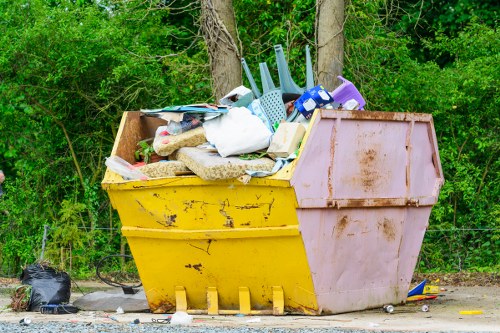 Skip Hire Honor Oak is committed to creating an eco-friendly waste disposal area across Honor Oak and neighbouring boroughs. Our sustainability page explains how our local skip hire and rubbish removal services are designed to prioritise reuse, recycling and low-carbon operations. We set a clear recycling percentage target — a company-wide goal of achieving 70% diversion from landfill by 2028 — and back it with measurable operations, partnerships and investment in cleaner transport. That target is ambitious but necessary to support borough strategies and to reduce the carbon footprint of waste handling in the area.
We operate with an understanding of the local context: both Lewisham and Southwark borough approaches to waste separation influence how we segregate materials at source and at transfer points. Our team ensures that common types of local recycling activity — including household glass and paper recycling, food waste collection, garden and green waste processing, bulky furniture reuse and construction waste segregation — are managed so maximum value is recovered. By aligning with the boroughs' kerbside and communal separation practices we increase recycling rates and reduce contamination.

Local transfer stations and responsible handling
We work with licensed local transfer stations across Honor Oak and the surrounding boroughs to ensure waste is processed correctly and sustainably. Rather than sending mixed loads straight to landfill, materials are delivered to facilities that perform additional sorting, consolidation and onward transport to specialist recyclers. Key aspects of our transfer and processing network include:- Licensed transfer stations: partnerships with compliant facilities in Lewisham and Southwark for sorted loads.
- Specialist recyclers: dedicated routes for metals, timber, inert materials, plasterboard and soil.
- Bulky reuse streams: furniture and appliances diverted to refurbishment partners rather than disposal.
Our local partnerships with charities and community reuse organisations are central to our sustainability offer. We work with furniture reuse groups, community repair cafes, and local charities that accept items in good condition — clothing, small furniture, kitchenware — so perfectly usable items avoid entering the waste stream. These charity partnerships not only help residents and vulnerable people in the area but also extend the life of products and reduce the demand for new goods.
Low-carbon vans and eco-aware logistics
A major part of delivering an eco-friendly rubbish area is how we move materials. Our fleet includes low-emission vehicles: electric vans for local collection rounds, plug-in hybrids for medium-distance transfers and Euro 6 diesel vehicles reserved for heavier loads. Through route optimisation software and consolidation of loads we aim to lower emissions per tonne of waste transported. Our ambition is to reduce operational CO2 by at least 40% compared with our 2019 baseline, through the combined use of low-carbon vans, smarter routing and switching to greener transfer partners.Onsite operational practices support sustainable rubbish management. Every skip and collection is subject to primary segregation where possible: separate bays for inert materials, plasterboard, hardcore, metals, mixed recyclables and green waste. Sorting at source reduces contamination and improves recovery rates at transfer stations. We also encourage customers to separate materials when hiring a skip — timber, brick and hardcore can often be partly reused or recycled, while clean plasterboard and metals have established recovery streams. Textile and small electrical waste are diverted to specialist recyclers and reuse partners.
Community engagement and transparency are fundamental. We publish summary recycling performance and provide regular updates to local groups on how well the area-wide recycling percentage target is being met. Our educational outreach focuses on simple behaviours that make a big difference: correct material separation, booking the right size of skip to avoid overloading, and identifying items that can be donated rather than discarded. These steps feed directly into the local circular economy by ensuring materials re-enter productive use where possible.
 Measurement and reporting are embedded in our operations to track progress toward our recycling percentage target. We monitor tonnages at collection, transfer and final processing stages and report the proportion of materials: reused, recycled, recovered for energy and sent to landfill. We maintain records that demonstrate compliance with local authority requirements and environmental regulations, and we use performance data to continually improve. Typical monitoring categories include:
- Percentage of materials recycled or reused
- Percentage of inert and construction waste diverted from landfill
- Carbon emissions per tonne of waste transported
 In conclusion, Honor Oak skip hire services are designed to be genuinely sustainable: from our low-carbon vans and route optimisation to charity partnerships and collaboration with licensed transfer stations. Choosing eco-conscious skip hire means supporting a model where fewer resources are lost, more materials are returned to productive use, and local borough waste separation policies are respected. Our ongoing commitment is to meet and exceed our targets so that the local rubbish area becomes an example of practical, measurable sustainability in action.